The Vodun Coast: Nigeria, Ghana, Togo and Benin
Histories that have shaped the world, complex cultures that continue to evolve. Off-the-grid villages, verdant countryside, and some of West Africa’s most dynamic urban areas. Eleven days, four countries, and one of the most significant religious festivals in West Africa as the climax.
Heading East from Accra
Please see our philosophy on itineraries. Changes can be made depending on local conditions, spontaneous discoveries, and the considerations of the group. Nothing is set in stone.
Day 1 – Accra to Atimpoku
The Route: Leave Accra and drive northeast toward Atimpoku on the Volta River.
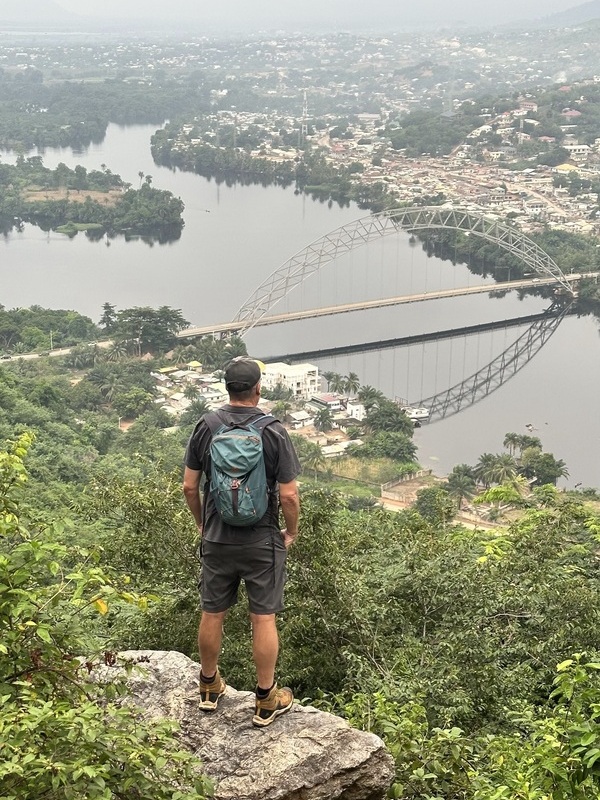
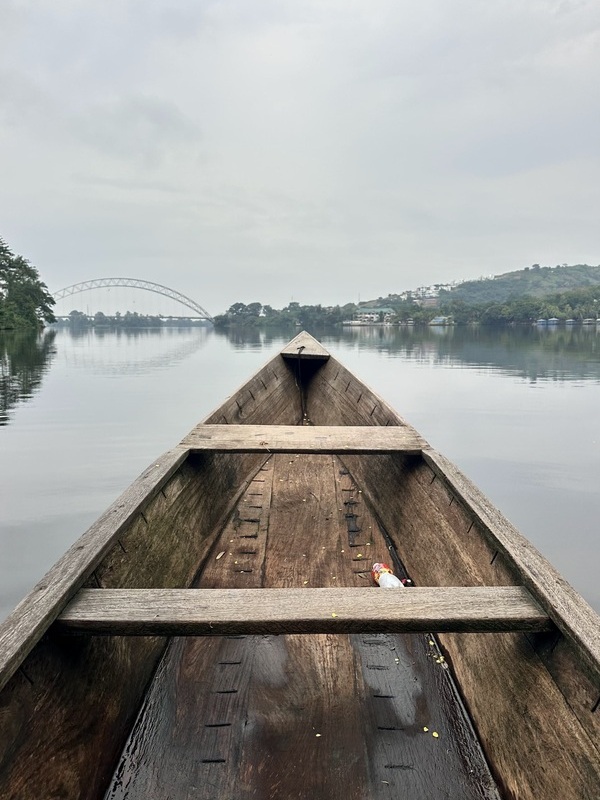
The Plan: We leave Accra in the morning and head out toward the Volta Region. It is New Year’s Day, so the first day is mainly about getting out of the city and into the trip. At Atimpoku, the Adomi Bridge spans the Volta River and is one of Ghana’s most recognisable bridges. Opened in 1957, the year Ghana gained independence, it became an important link between Accra and the Volta Region. We walk across the bridge, watch the river traffic below and spend our first evening beside the water.
Where We Stay: Riverside accommodation in Atimpoku
Day 2 – Atimpoku to Amedzofe to Kpalimé
The Route: Drive north into the Volta highlands to Amedzofe, then east across the Ghana-Togo border and continue to Kpalimé.
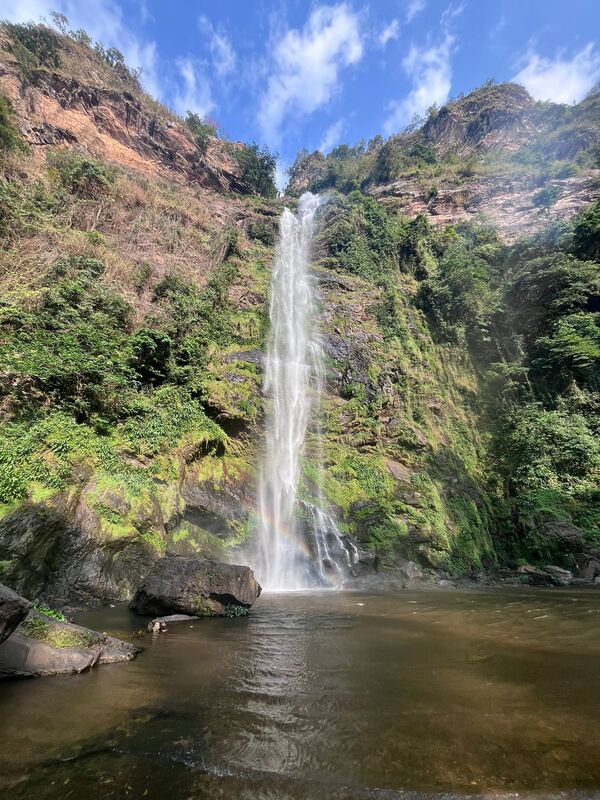
The Plan: From the Volta River we climb into the mountains toward Amedzofe, one of Ghana’s highest settlements, perched in the Togo mountain range. The canopy walkway here is built alongside Ote Falls, reached by a long flight of steps down through the forest. We spend some time around Amedzofe and the falls before continuing through the mountains, crossing the border into Togo and making our way to Kpalimé. Kpalimé sits at the foot of the mountains in one of the greenest parts of Togo. We have a local guide here who knows the town and the surrounding hills.
Where We Stay: Guesthouse in Kpalime, 2 nights.
Into the hills
Day 3 – Kpalimé
The Plan: Today we head into the mountains surrounding Kpalimé. Experienced riders can hire motorbikes and spend the day exploring the hills, while those who prefer to stay on foot can head into the forest with a local guide who knows the region and its medicinal plants. The road up toward Mount Kloto winds through coffee and cocoa farms, small Ewe villages and thick mountain vegetation. There are waterfalls scattered through the hills and plenty of places worth stopping along the way.
Where We Stay: Guesthouse in Kpalime
Day 4 – Kpalimé to Lomé
The Route: Leave the mountains and travel south toward Lomé on the Gulf of Guinea. The Plan: We come down out of the mountains toward the coast, stopping along the way as things take our interest.
The Plan: In Lomé we explore the city and its markets. The central market is one of the best places in the region to buy cloth, with stalls piled with wax print and fabrics from across West Africa. We also visit the Akodessewa fetish market, the largest market of its kind on the continent, where ritual objects and traditional medicines are sold for use by local Vodun practitioners. This is a functioning market serving the local community, not a tourist display.
Where We Stay: Guesthouse in Lomé
Into the Hills
Day 5 – Lomé to Lake Ahémé
The Route: Leave Lomé, cross the border into Benin and continue toward Lake Ahémé and Possotomè.
The Plan: Today we leave Togo and enter Benin, the historical heartland of Vodun and the country where we will spend the next several days.Rather than following the main coastal road all the way toward Cotonou, we turn inland toward Lake Ahémé. Fishing villages and small communities surround the lake and life here is still closely connected to the water. We spend some time around the lake. We can head out by pirogue, visit some of the communities around the shoreline or simply have a cold drink and watch life on the lake.
Where we Stay: Guesthouse on Lake Ahémé
Day 6 – Lake Ahémé to Abomey
The Route: Leave Lake Ahémé and travel north to Abomey.
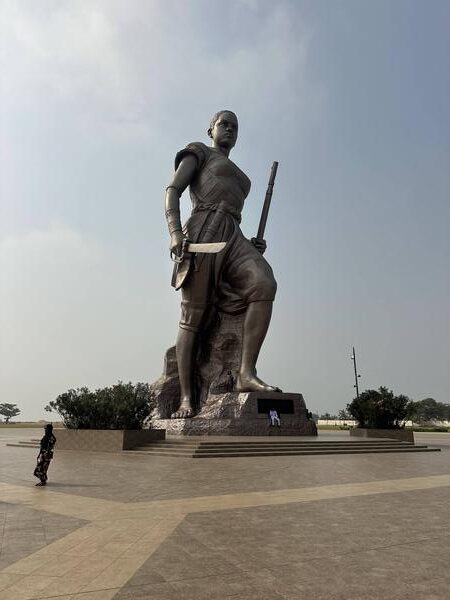
The Plan: We turn north toward Abomey, the historical centre of the Kingdom of Dahomey. From the 17th to the end of the 19th century, successive kings of Dahomey built their palaces here inside a huge earthen-walled royal complex. The kingdom became one of the dominant powers in this part of West Africa and its history runs through almost everything we will see over the following days: regional warfare, Vodun, the Atlantic slave trade and the famous Agojie female military regiments. The Royal Palaces are the centrepiece of our time here. The historical museum holds royal thrones, ceremonial objects, weapons and the famous appliquéd cloths depicting the wars and history of the kingdom. We explore Abomey with a local guide and spend the evening in town.
Where we Stay: Guesthouse in Abomey
Back to the Coast
Day 7 – Abomey to Ganvié
The Route: Travel south from Abomey toward Abomey-Calavi on Lake Nokoué, then continue by boat to Ganvié.
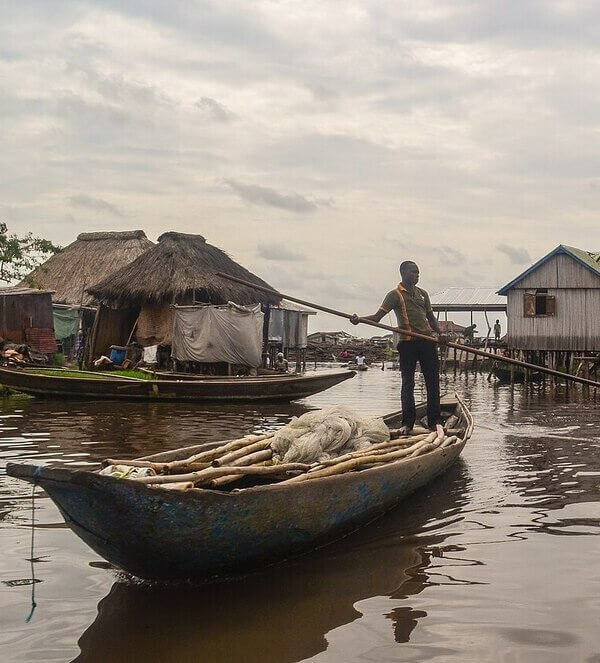
The Plan: We use the morning for anything we didn’t manage to see in Abomey the previous day before continuing south toward Lake Nokoué. At Abomey-Calavi we leave the vehicle behind and travel by boat to Ganvié. The Tofinu people built communities on stilts in the lake centuries ago to escape the reach of the expanding Kingdom of Dahomey. The water offered protection and an entire community developed around it. Thousands of people still live here today, moving between houses, schools, markets and neighbouring villages by pirogue. A quick boat tour through Ganvié can feel a bit empty and at times you can feel like an unwanted guest. But if you slow down, put the camera away and talk to people instead, it is a really interesting place. Getting paddled up to a woman selling beignets she has just cooked in her boat is a really amazing experience. That is why we stay overnight.
Where We Stay: Guesthouse on the lake
Day 8 – Ganvié to Cotonou and Vodun Days
The Route: Leave Ganvié by boat, return to the mainland and continue to Cotonou and Ouidah.
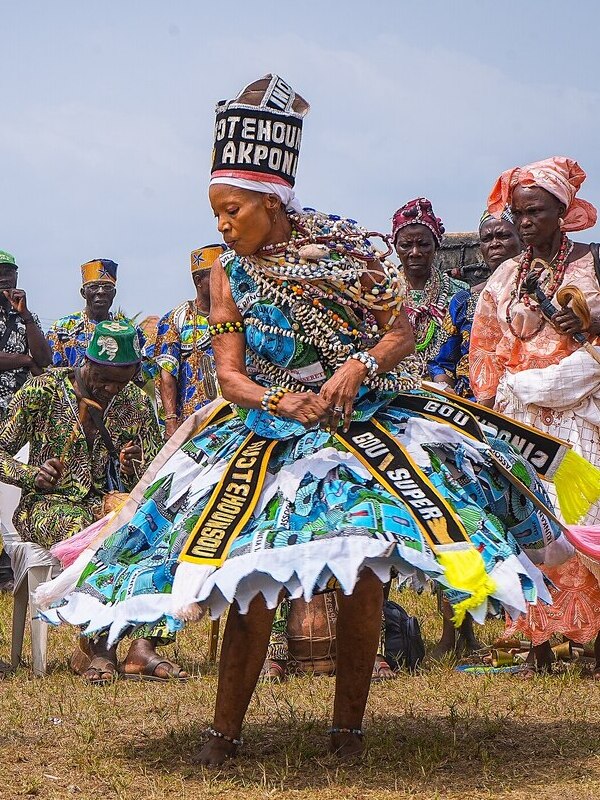
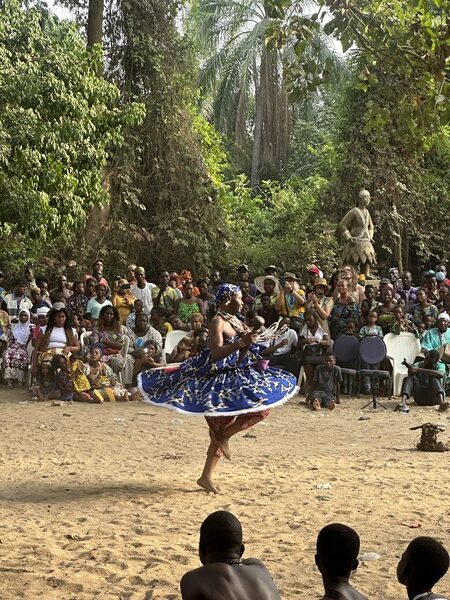
The Plan: We leave Ganvié by boat and head toward Ouidah. By now Vodun Days is in full swing. Vodun Days has grown from Benin’s national celebration of traditional religion into one of the biggest events on the West African calendar. Ouidah becomes the centre of ceremonies, processions, music and drumming, with Vodun groups coming in from different parts of Benin.
This is not voodoo as it has been portrayed in popular culture. Vodun is an ancient religion rooted in the belief that spirits inhabit the natural world and that the ancestors remain present among the living. It was carried across the Atlantic with enslaved people and took root in Haiti, Brazil, Cuba and Louisiana, where it developed into the traditions found there today.
Seeing it here, at its source, is something else entirely. We spend the rest of the day in and around Ouidah.
Where We Stay: Guesthouse in Ouidah
Vodun Days Festival
Day 9 – Vodun Days – Ouidah
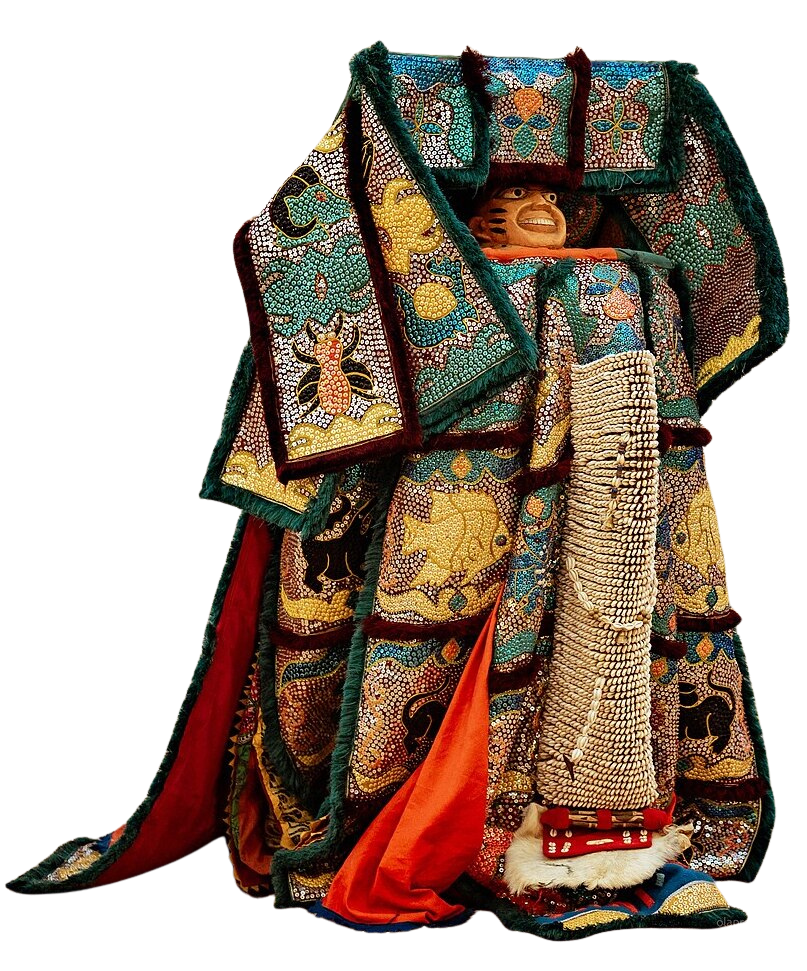
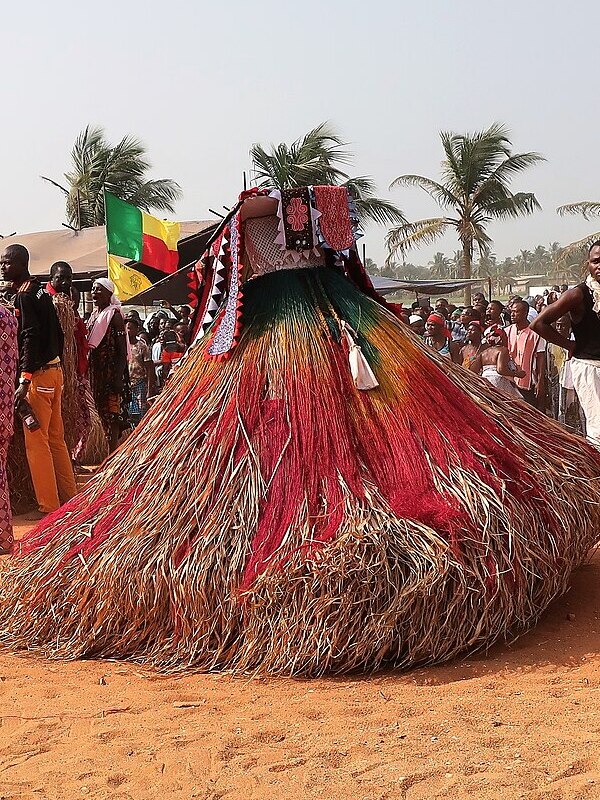
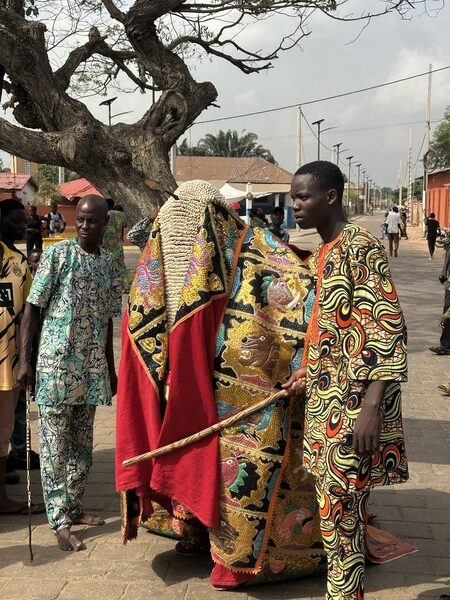
The Plan: Today is devoted to Vodun Days. Ouidah was one of the largest transatlantic slave trading posts in West Africa, and its history is inseparable from both the Kingdom of Dahomey and the spread of Vodun across the Atlantic. Throughout the festival the town fills with ceremonies, processions, drumming and dancing. Zangbeto, the guardians of the night, and Egungun figures move through the crowds alongside Vodun priests, initiates and groups arriving from different parts of Benin. We also have the opportunity to visit some of the historical sites around Ouidah, including the Sacred Forest, Python Temple, Portuguese Fort, Route des Esclaves and the Door of No Return. The celebrations continue into the evening, with major events and concerts taking place around the beach.
Where We Stay: Guesthouse in Ouidah
Day 10 – Cotonou to Lagos
The Route: Drive west from Cotonou along the coast, cross the Benin-Nigeria border at Seme and continue to Lagos.
The Plan: Today is primarily a travel day. We leave Cotonou and follow the coast toward Nigeria. The Seme border is one of the busiest land crossings in West Africa. Getting through immigration and customs is part of the day, and once everyone is stamped into Nigeria we continue toward Lagos. Lagos is one of the largest cities in Africa and quite a change of pace after the previous few days in Benin. We spend the rest of the day getting our first look at the city.
Where we Stay: Guesthouse in Lagos
Day 11 - Lagos – End of Trip
We finish the trip with a completely different side of West Africa. We start at Lekki Conservation Centre, an urban nature reserve protecting a pocket of wetlands and forest inside one of the fastest-growing cities in Africa. The canopy walkway runs high above the forest and gives a surprising sense of wilderness considering the enormous city surrounding it.
From there we visit Nike Art Gallery, an extraordinary collection of Nigerian art spread over several floors, with everything from painting and sculpture to textiles and traditional crafts.
We have lunch at Kingfisher on the waterfront before swapping the road for the water one final time. A private boat takes us out through Lagos Harbour to Tarkwa Bay, a beach community accessible primarily by boat. After nearly two weeks of borders, mountains, villages, cities and ceremonies, we finish with an afternoon on the Atlantic. Swim, have a cold drink and look back toward Lagos from the water. The tour finishes in the afternoon.
You can plan your return flight from Lagos for this evening. If you are traveling further in the region, we can make recommendations and offer guidance.
What to Expect
This trip takes place before the hot season really picks up. That said, unless you live at a similar latitude, it will likely be much warmer than you are used to — the sun in this part of the world is no joke. Expect daytime highs from 31°-33°C (88°F to 91°F) with mornings and evenings that are cooler. While the humidity is generally less intense at this time of year, we are still in the tropics and we will often be on the coast. Normally, it does not rain in January, but like everywhere else, the climate is changing, and we did have a bit of rain during the 2026 edition of the trip.
Clients on the trip will received a pre-departure PDF with a packing guide for this trip.
We will encounter an astonishing diversity of languages on this trip. In fact, the local languages are difficult to count. We are guaranteed to cross paths with many speakers of Yoruba, Ewe, Ga, Twi, and Fon, amongst others. In Nigeria and Ghana, English is the official language, while it is French in Togo and Benin. We work with English-language guides throughout these 4 countries so you will always have someone that can help you translate or communicate. In both Togo and Benin, you will find that many locals who have a bit of English under their belt really enjoy practicing it.
Wherever possible, we will stay at hotels and guesthouse that introduce us to the local community. We will always choose a family run place over a chain hotel. This trip will have a mix of eco-lodges and hotels/guesthouses. At the eco-lodges, facilities will be limited but the lodging still clean and comfortable. The hotels will have regular toilets, showers, fans and sometimes air-conditioning. All accommodation is included in the trip price.
There will be a fair amount of walking on this trip in addition to opportunities for genuine hiking. There will be numerous optional activities available, including motorbike riding, boat trips, drumming and/or dance workshops, and language learning, in addition to the cultural exploration that is included as part of the tour.
Western style food will often be available, but we will encourage you to try as much of the local cuisine as possible. Some of the food may not be what you (or your stomach) are used to, so it’s not the worst idea to bring some imodium are pepto-bismol just in case.
Vegetarian and vegan options are limited, but we can make a plan for both provided you notify us in advance of the trip. If you have any other dietary restrictions or allergies, just let us know.
The Accra International Airport in Accra, Ghana is served by multiple international carriers. You need to arrive in the city by December 31st. We will enjoy New Year’s Eve together in one of Africa’s liveliest cities. At the end of the trip, you can plan to book a flight for the evening of January 11th (or later if you plan on sticking around) from Murtala Muhammed International Airport in Lagos, Nigeria.
As far as the trip itself: We leave parts of the itinerary deliberately loose so we can adapt to things as they happen. Running a trip like this to a clock means you can easily miss the very thing we are looking for, which is a window into everyday life in West Africa. The route is planned, but even that isn’t set in stone. On last year’s trip we changed an overnight stop because something more interesting turned up along the way. What happens each day will depend on what we find. If there is something interesting happening in a village, we stop. If someone tells us about something worth seeing, we go and have a look. Sometimes the best part of the day is something we didn’t know existed when we left the hotel that morning.
If you are expecting a by-the-minute schedule that will be respected to the letter, this is not the trip for you. West Africa is a great place for honing your patience and learning how to improvise. For more on this, please read about us and our philosophy on itineraries.
Available Dates
Vodun Festival Trip: Nigeria, Benin, Togo and Ghana
Vodun Festival Trip: Nigeria, Benin, Togo and Ghana
The trip price includes all accommodation, breakfasts, guiding and transportation. It does not include airfare, any visas needed, optional activities, drinks or restaurant meals.
Cost and Booking Information
The trip cost is €2250. To secure your spot on this trip, we take a non-refundable deposit of €500. If you are unable to make it on the trip, you can use this deposit towards a future trip at a later date.
As stated above, the trip cost includes all lodging, transport, breakfast every day, guiding and any entrance/park fees during the trip. It does not include airfare, visas, optional activities, drinks and restaurant meals.